INDIAN CULINARY EXPERIENCES
The Foundational Series - 4
WESTERN & CENTRAL INDIA: DRY-LANDS, TRADE & FOOD TRADITIONS
Here, the humid Arabian Sea coast meets the dry interior plateau. Coconut groves give way to millet fields. Fishing communities coexist with merchant traditions. Ancient trade routes connect farming villages to some of India's great port cities.

Duration
5 Days
Location
Auroville, Tamil Nadu
Group Size
Limited to 10 Participants
TaKe Away
Participants receive a detailed
E-Booklet of the course
Why This Program Matters

Western and Central India reveals how geography, climate and trade influence the evolution of cuisine.
In dry inland regions, generations of farmers learned to work with hardy grains such as millet, pulses and groundnuts. Along the coast, coconut, seafood and kokum became central to everyday cooking. Merchant communities developed ingenious methods of preservation, transport and shared dining.
Through cooking, tasting and discussion, participants explore how food traditions emerge from both abundance and scarcity.
The purpose of this program is not merely to teach regional dishes. It is to help participants understand the forces that shaped them.
What Participants Explore
Over centuries, communities learned to adapt to dramatically different environments, creating food traditions shaped by resilience, movement and exchange. This five-day experience explores the food cultures that emerged from these diverse landscapes.

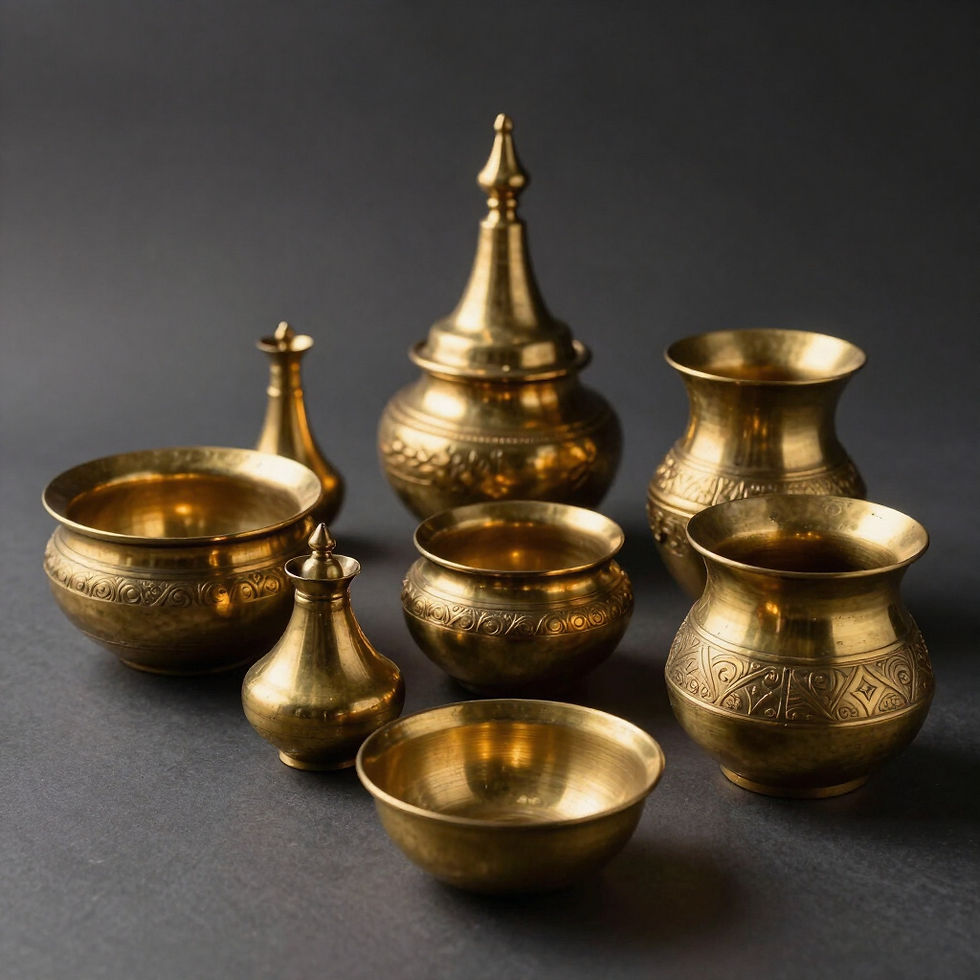

Millet & Dryland Food Cultures
Gujarati Thali Traditions
Farsan & Preservation Foods
The agricultural traditions of water-scarce landscapes.
Shared meals, balance and the philosophy of the thali.
Travel foods, gram flour traditions and culinary ingenuity.
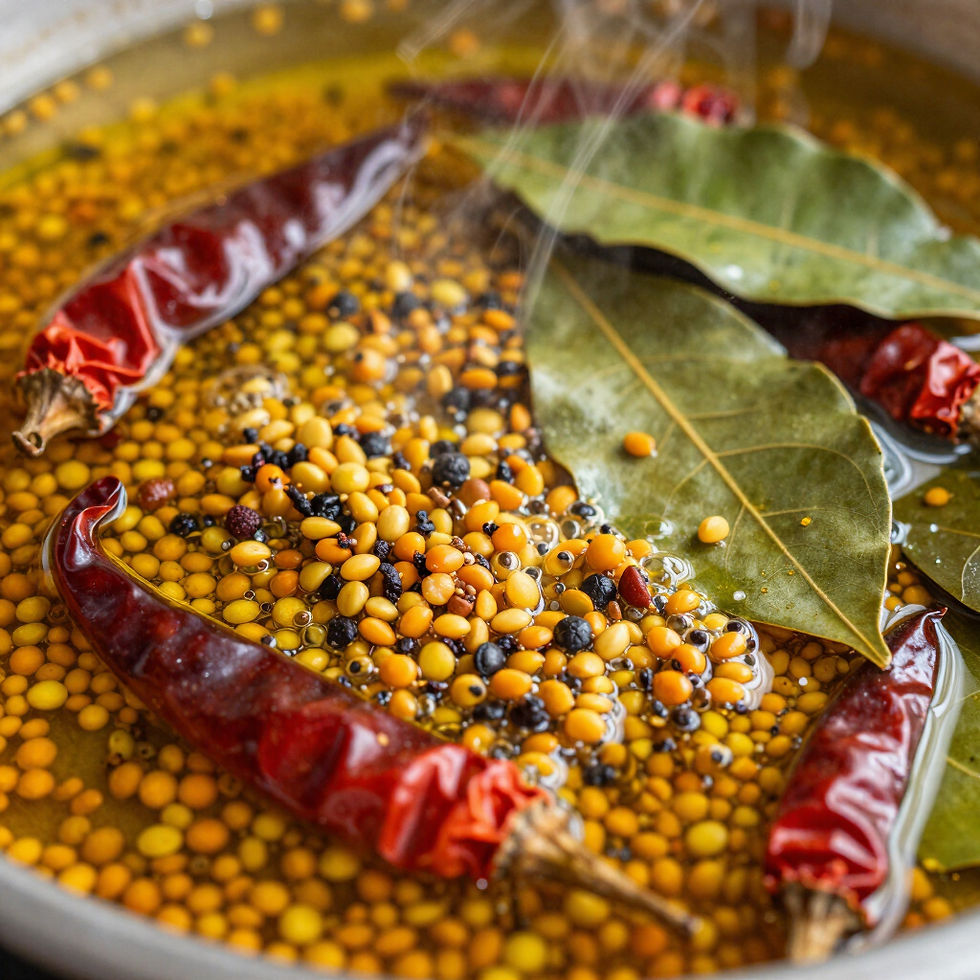


Coconut, Kokum & Coastal Flavours
Trade, Migration & Food Exchange
Mumbai: India's Culinary Crossroads
The distinctive ingredients of India's western shoreline.
How movement and commerce shaped regional cuisines.
A city where food traditions from across India continue to meet and evolve.
The Five-Day Journey
DAY 01
The Dryland Heartland
Millets, groundnuts and the agricultural traditions of the Deccan Plateau.
DAY 02
The Merchant's Table
Gujarati food cultures, shared meals and the art of balancing flavour.
DAY 03
The World Of Farsan
Gram flour traditions, preservation techniques and the ingenuity of travel foods.
DAY 04
The Konkan Coast
Coconut, kokum, seafood and the food traditions of India's western shoreline.
DAY 05
Mumbai: The Port City
Migration, trade, community and one of India's great culinary meeting places.
International travellers
Passionate travellers seeking a deeper understanding of India through its food, culture, landscapes and communities.
Who This Program Is For

Indian diaspora
Individuals wishing to reconnect with the diverse culinary traditions, ingredients and food cultures of India.
Media & Storytellers
Writers, photographers and filmmakers exploring food, place and culture through documentation and visual storytelling.

Cultural Explorers
Curious learners interested in understanding how geography, community and tradition shape culinary cultures.

What Participants Take Away
A Deeper Understanding of Western & Central India
Explore the diversity that exists between inland and coastal food cultures.
Climate, Trade & Cuisine
Understand how geography and commerce influence culinary traditions.
Key Ingredients & Techniques
Gain familiarity with millets, farsan, kokum, coastal flavours and preservation methods.
Food, Migration & Exchange
Discover how communities, trade routes and travel shape cuisine.
A Framework For Further Exploration
Develop new ways of understanding Indian cuisine beyond recipes.
The Beginning Of A Longer Journey


North Indian Traditions
East Indian Traditions
Western & Central Indian Traditons
South Indian Traditions
Kerala Traditions
This foundational program serves as the gateway to our five specialized regional explorations, designed for those ready to delve deeper into the intricate cultural logic of the Indian subcontinent.